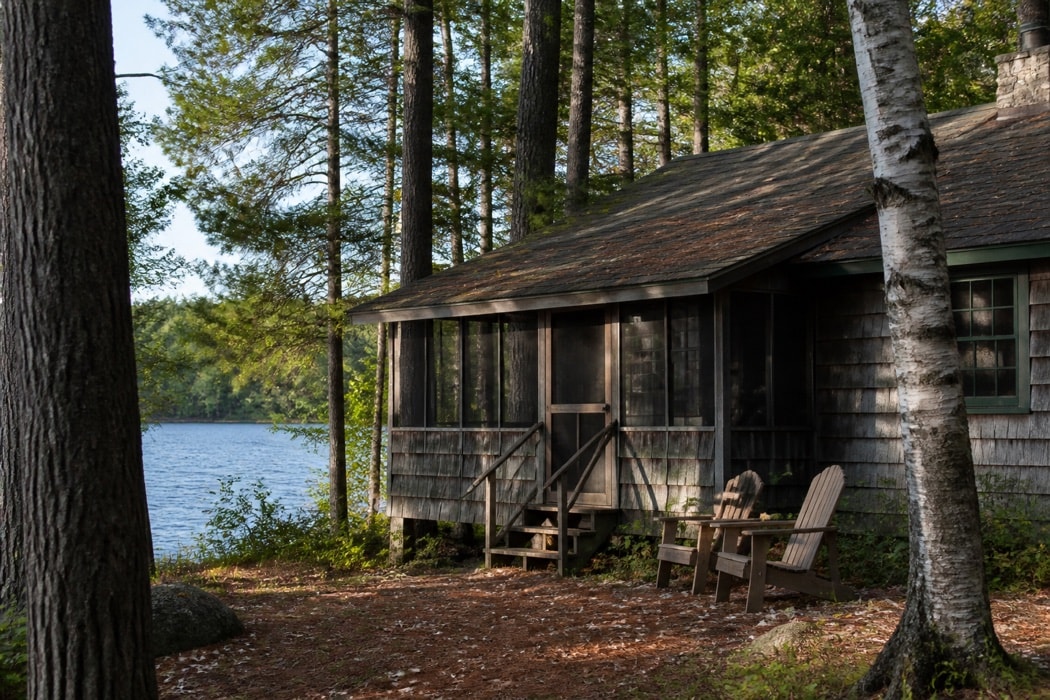
Start with people, beds and privacy
Count adults and children separately, then look past a headline occupancy number. Ask how many enclosed bedrooms there are, which beds require stairs, whether a sofa bed occupies the main living room and how many bathrooms serve the group. A technically large capacity can feel cramped when early risers, light sleepers and small children share one open room. Families traveling together often benefit more from a clear bedroom plan than from extra floor area.
Accessibility deserves the same attention. Confirm the number of steps from parking to the door, the route to the dock, bathroom clearances and whether the ground becomes soft or steep after rain. “Lakefront” describes a view, not necessarily an easy path to the water. Get precise current answers from the lodging provider you actually choose.
Understand the working kitchen
Cabin kitchens vary widely. A refrigerator, range and microwave do not tell you whether there are usable pans, sharp knives, food-storage containers, coffee equipment or enough place settings. Plan the first meal before arrival and write down every tool it requires. Bring a small kit of dependable items—dish towels, foil, a food thermometer, storage bags and your preferred coffee method—when the inventory is uncertain.
Food safety matters when groceries travel on warm days. The USDA food-safety guidance explains safe temperatures and handling. Use coolers for perishables until the cabin refrigerator is cold, keep raw foods separated and do not assume a shaded porch stays at refrigerator temperature.
Read the shore as part of the cabin
A deck, grill, fire ring or dock may shape the week as much as the interior. Ask whether outdoor spaces are private or shared and what rules apply. Families with young children should learn the distance and sight line from the cabin door to the water. Anglers may care about fish-cleaning facilities, freezer space and dock lighting. Paddlers need a safe way to carry and launch a craft without crossing swimming areas.
Every shoreline is also habitat. Keep soap, food waste and litter away from the water. Use established paths instead of widening access through vegetation, and follow local fire restrictions. The boating guide covers gear movement and invasive-species prevention.
Plan for the rainy version of the trip
A week should still work when two days turn wet and windy. Look for a covered porch, a table large enough for games and meals, comfortable reading light and a place to dry jackets. Pack cards, puzzles, books and one simple shared project. A rainy afternoon often becomes a favorite memory when nobody treats it as failed lake time.
Before paying for any stay, compare written cancellation, pet, visitor and damage policies. Use the trip budget guide to compare full-trip costs and the packing list to avoid buying forgotten basics after arrival.
Make a one-page cabin brief
After comparing choices, summarize the selected stay on one page for the whole group. Include the confirmed sleeping plan, what the kitchen supplies, linen responsibilities, parking limits, pet or visitor rules and the current cancellation terms. Add only information received from the provider for the actual dates. A shared brief prevents different households from planning around different assumptions.
Leave room for unknowns. “Ask on arrival” is better than filling a gap with an old review. When the trip ends, delete access instructions and other private details from shared messages. The useful record is the general checklist, not a permanent record of a property’s entry information.