Aluminum fishing boats, canoes, paddle craft and pontoons are part of the classic Minnesota resort landscape. They make a lake feel larger and a week feel slower. They also ask for preparation before the first line is cast or the first picnic bag comes aboard. This independent guide describes general routines, not equipment offered by a particular resort.
Match the craft to conditions and experience
A stable pontoon, a small fishing boat and a canoe behave differently in wind, waves and shallow water. Choose a craft every person in the group can board safely and an operator can control confidently. Learn capacity limits and required equipment from the current owner or rental provider. Do not treat a calm departure as proof that afternoon conditions will stay calm.
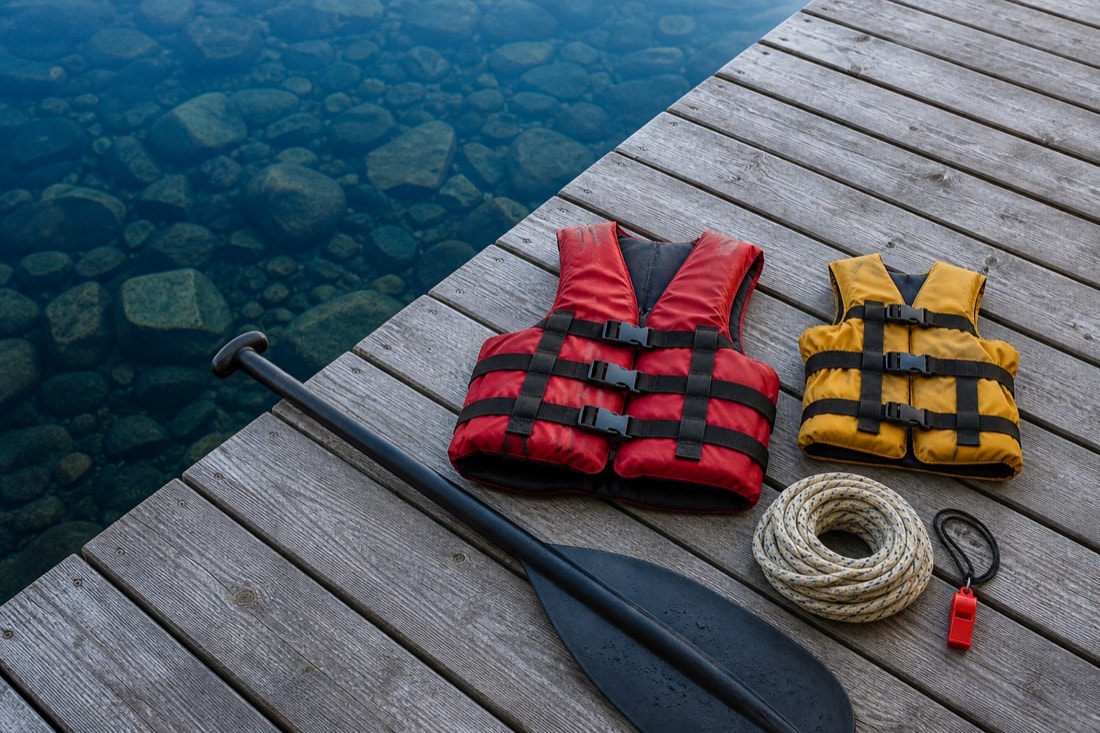
Before leaving, locate a properly fitted life jacket for each person and put it on. Check fuel or battery level, anchor and line condition, navigation lights when relevant, a sound-producing device and a simple way to call for help. Tell someone ashore the intended route and return time. Keep weight low and balanced, and secure loose gear.
Use a repeatable dock routine
Loading is easier when one person steadies the craft and another hands gear aboard. Keep the dock edge clear of rods, coolers and bags that become trip hazards. Children should wait in a designated place with an adult and board only when directed. Start motors only when people, ropes and swimming areas are clear.
On return, approach slowly and prepare lines before reaching the dock. Unload people before heavy gear when the dock and craft are stable. Remove food scraps, fishing line and anything that could blow into the water. A tidy ten-minute reset makes the next outing safer.
Protect the next lake
Watercraft and wet gear can move invasive plants and animals between waters. Minnesota’s Clean In, Clean Out guidance says to remove visible plants, animals and mud; drain water-related equipment; and dispose of unwanted bait in the trash. The rules apply to boats, trailers, motors, live wells, anchors, lines and other water-related gear.
Complete those steps before leaving access or shoreline property. Keep drain plugs out during transport as required, and never release bait or water into another lake. The state provides more detailed recommendations for rinsing or drying equipment that may carry organisms too small to see.
Weather makes the final decision
Wind across open water can turn an easy trip into a difficult return. Check the forecast, watch the actual sky and shorten the route if conditions change. Distant thunder is enough reason to head in. Cold water and cool air deserve extra caution even on a bright day. The National Weather Service boating-safety resources explain weather hazards and planning.
For swimming and supervision guidance, continue to water safety. Anglers can use the fishing guide, while groups mixing several activities may prefer the slower suggestions on the Recreation page.
Borrowed equipment deserves a handover
When using a craft you do not own, ask for an in-person orientation. Identify controls, emergency gear, damage already present and the correct way to secure the boat. Repeat key points back rather than nodding through an unfamiliar system. If the operator cannot explain the equipment or conditions exceed your experience, do not depart.
Return gear in the condition and location requested. Report damage or a mechanical concern promptly through the current provider’s official channel. Never attempt an improvised repair that could affect safety, and never assume the next user will discover the problem before launch.
A deliberate pause at the dock is always cheaper than a rushed decision on open water.